
Home page
Bienvenidos, Bienvenue, 欢迎, أهلاً وسهلاً, स्वागत है, ようこそ Read more

Highlights

University of Bologna and United Nations University: an agreement to strengthen the collaboration on artificial intelligence
The partnership is aimed at developing joint research, higher education, mobility, and knowledge-sharing activities. Initial activities include the development of a Professional Master programme on global politics and the social impacts of artificial intelligence and digital technologies.

Bologna to build MORFEO, the adaptive optics system for the world’s largest optical telescope
The device will be integrated and tested at the Bologna Integration Hall, a joint centre of excellence established by INAF and the University of Bologna, before being installed on the Extremely Large Telescope (ELT), currently under construction in Chile’s Atacama Desert.

Art, Technology and Society in the 1960s: Lecture by Lindsay Caplan
Scholar of modern and contemporary art, Lindsay Caplan will give the next lecture in the Brown–University of Bologna Annual Lecture Series.
Voices, stories, ideas

Dreaming of University of Bologna?
Learn everything you need to know about exemptions and scholarships as an international student!
Which degree programme suits you best?
Connect to our University’s virtual help desk to clear up any doubts!
"I always knew that I wanted to study in Europe."
Evrim, an international student from Cyprus, explains why she chose to come and study in Bologna.
From research to society

GoGreen project develops new sustainable restoration techniques
As part of a European project aimed at promoting more sustainable approaches to conservation, a University of Bologna research group has developed a technology that uses non-woven fabrics to selectively remove unwanted layers without damaging the underlying materials.

Heels and flat feet, from Neanderthals to Homo sapiens
A study led by researchers of the University of Bologna analysed for the first time the external three-dimensional shape of the entire heel of Neanderthals, comparing it with that of our species, to show how lifestyle and evolution shaped the skeleton of the foot.

Economic progress and technological innovation: Joel Mokyr receives the University of Bologna’s Sigillum Magnum
In his lecture, the 2025 Nobel laureate in Economic Sciences reflected on the challenges posed by economic growth and innovation.
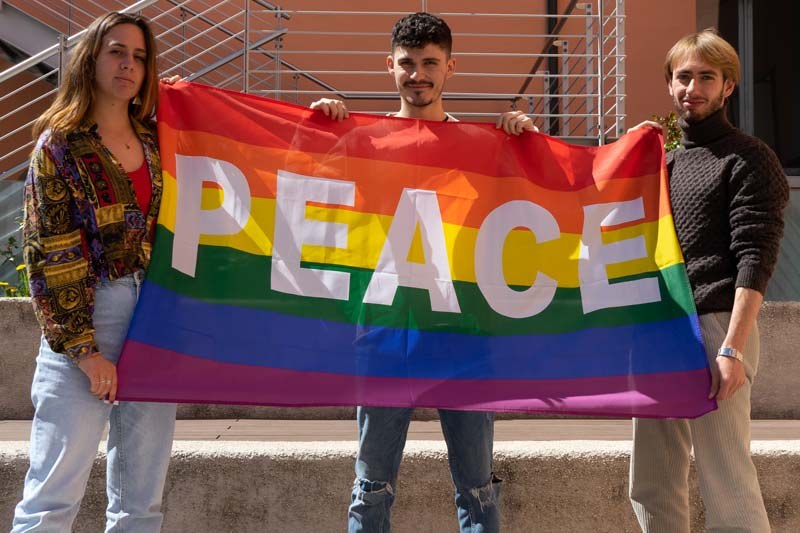
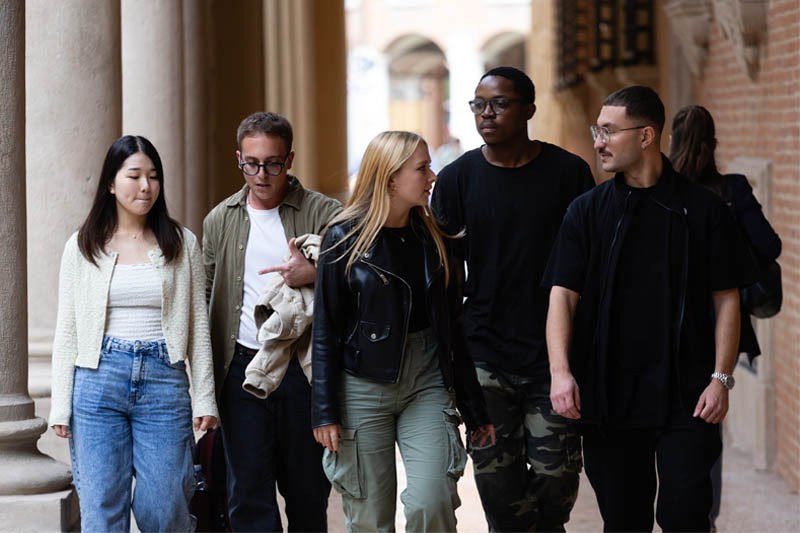
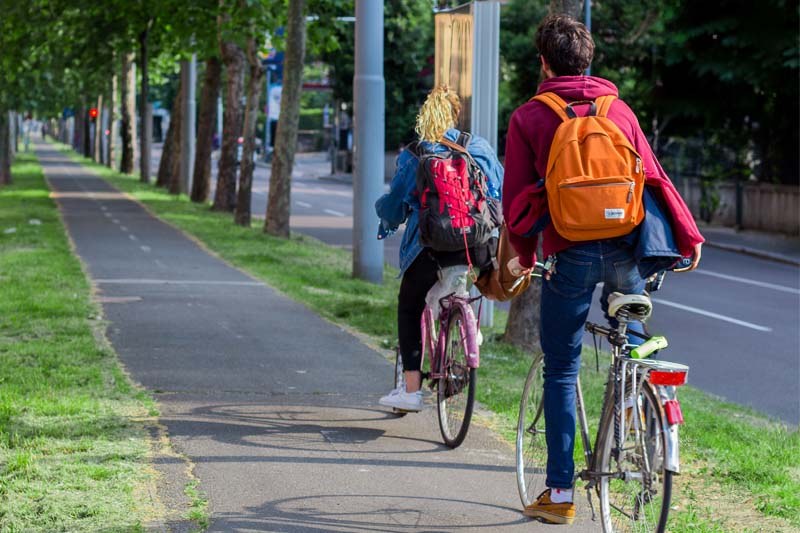
The University's values

University campuses
-
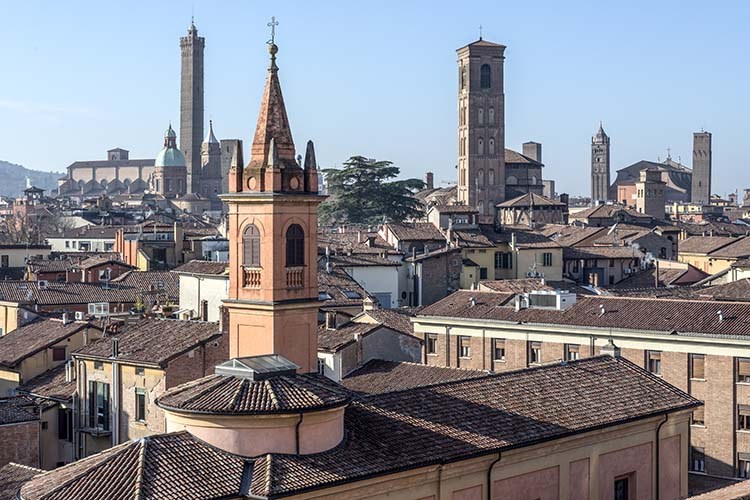
Bologna Campus
Testimonies from the past and experiences from the present intertwine in the academic facilities in Bologna.
-
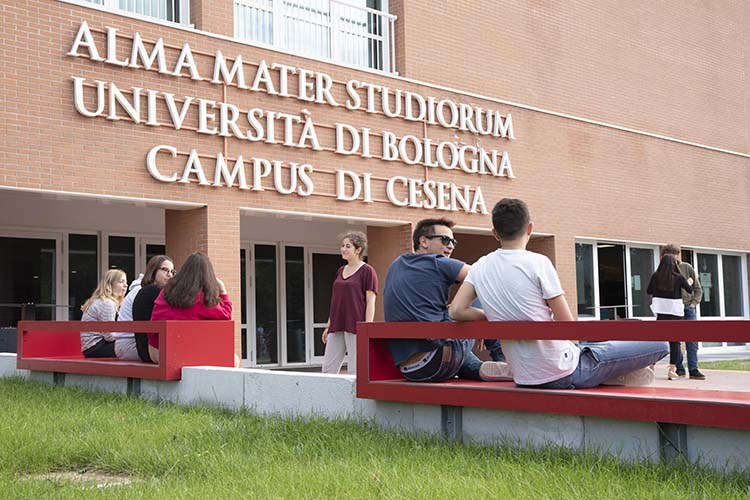
Cesena Campus
The Campus stands out for its strong link with local companies, serving as a bridge between academia and the business world.
-
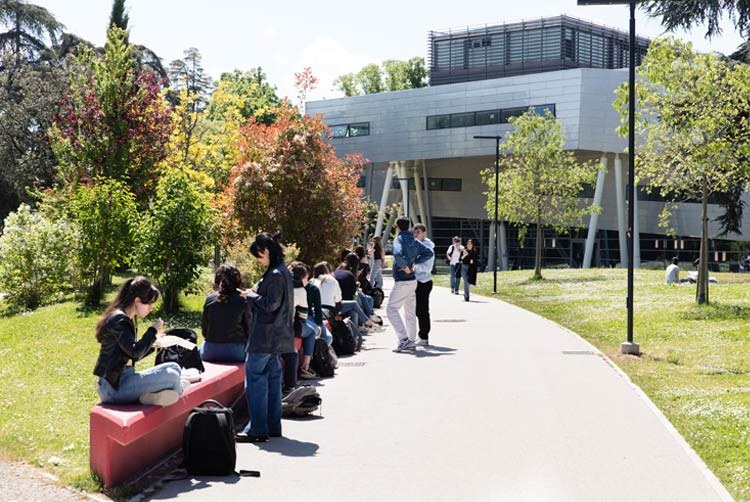
Forlì Campus
A modern and dynamic Campus with facilities and services in the heart of a liveable and accessible city.
-
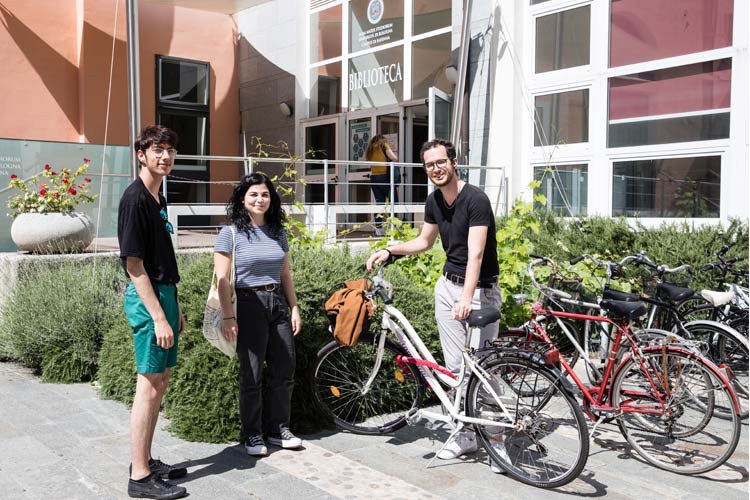
Ravenna Campus
A unique experience that allows you to connect closely with the history, art and ecosystem of a highly stimulating city.
-
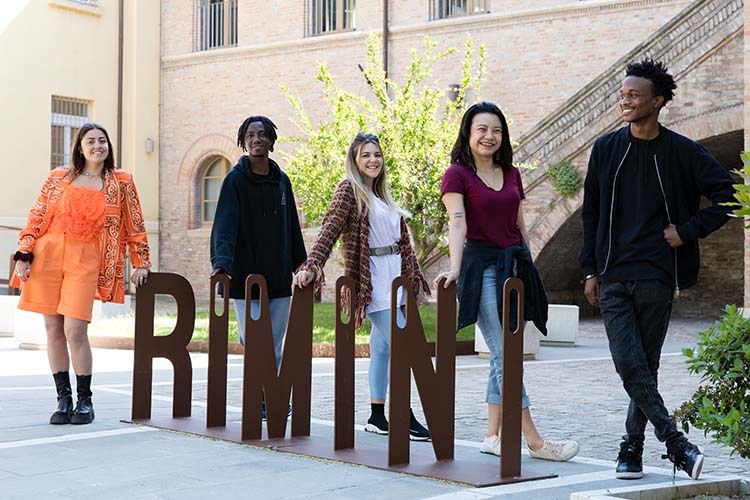
Rimini Campus
A people-focussed meeting place for cultures and ideas from all over the world.